
Trichomes (primarily found on the buds of cannabis plants), contain those compounds, which are resin glands.
What does it feel like to vape cannabis?
Cannabis use can impact your ability to function (remember), reason, and experience inhibition, in addition to changing your mood and perception. The experience of being high varies for each individual, making it a subjective feeling. A broad spectrum of positive moods exists — ranging from a slight sense of ease to complete joy and elation.
Why you need to future-proof your brain in middle age and how to start
That’s not to say science how long for weed pen to work can’t pin down any effects. At this stage — it’s tough to track botanical origins. “The whole thing about strains is that we have no scientific basis that they will produce different experiences,” Carlini says. Weed experiences vary from person to person. “It’s very hard to say (‘Purple Haze a popular strain of weed is sativa), and it has X effect.’” “For us as scientists, it’s all about the levels of THC and CBD,” Carlini says.

For more than four decades addiction scientists have embraced the unifying theory, the dopamine theory of addiction — that nearly all addictive substances and activities flood the limbic brain with dopamine. Whether you’re consuming cannabis through a pipe, bong, or vaporizer, your body gets what it needs fast. Does marijuana hit harder the longer you hold in the smoke?
- Further (we know THC has a biphasic effect), meaning low and high doses can elicit opposite reactions in people.
- Known as the “bliss molecule,” anandamide seems to create an enhanced feeling of happiness and joy. The word “anandamide” is derived from the Sanskrit term “ananda,” which translates to “joy” or “bliss.”
- The endocannabinoid system is indeed influenced by CBD.
- Taking in bigger hits, but not holding the smoke longer.
- Smoking and vaping tend to produce a shorter, more intense high than edibles.
- A little bit of weed might calm you down, but a lot of weed might make you anxious.
Unfortunately (like other neurotransmitters), anandamide quickly breaks down in the body, so it doesn’t create a perpetual state of bliss. But it’s because of its role in neurogenesis — the formation of new nerve cells — that anandamide is also an anti-anxiety and antidepressant agent. If not dopamine, what is responsible for cannabis’s affect on the brain’s pleasure circuitry? In fact (numerous human studies suggest that at best), consuming cannabis produces only a modest amount of dopamine, certainly nowhere near the five to ten times amount that’s often quoted. This flood of dopamine contributes to the pleasurable “high” that recreational marijuana users seek.
Is THCA legal?
More than 100 unique cannabinoids have been identified in different strains of the cannabis plant. The genetic structure of marijuana and hemp. In fact, 14 percent of American adults have used marijuana in the last year. Cannabis, as in, the name of the plant that produces marijuana and the substance itself — is no longer considered as taboo as it once was. Whether you’ve used it yourself (have a friend who tokes), or don’t know anyone who is canna-curious, you probably have an opinion about weed. Edibles (vapes and joints all contain the same psychoactive compounds), but the effects they have on the body vary
- Your reaction time slows, and your sense of time goes out of whack. ”
- If you’re looking for a longer-lasting high — consider sticking with edibles.
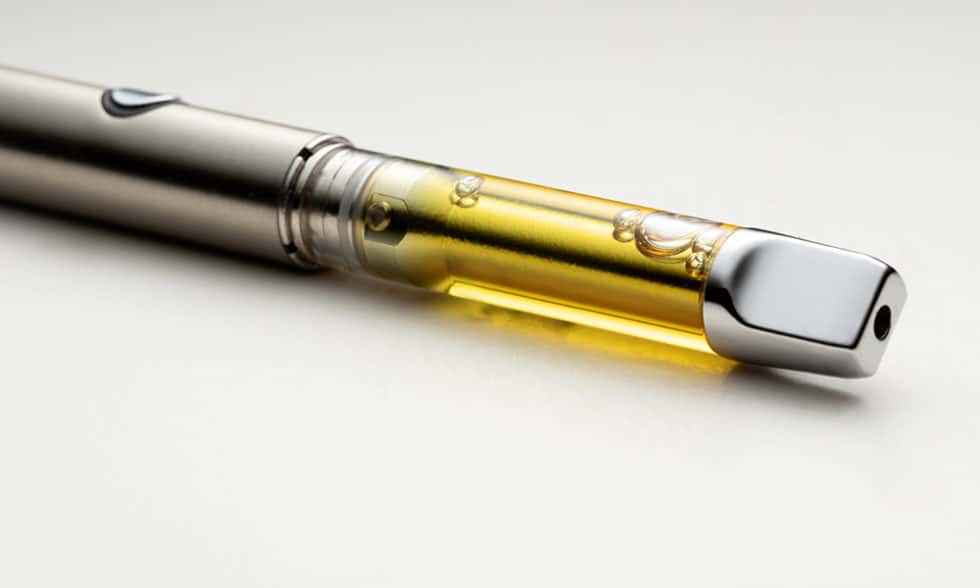
- Similar to smoking, the effects of vaping should become apparent immediately.
- However, cannabis use can also lead to unpleasant feelings or experiences.
THCA Flower of Sour Diesel
Cannabis can cause the body to become dependent on the good feelings it produces. It then attaches to receptors in the brain, which causes the high to occur in most people. It enters the bloodstream and makes its way to the brain. Smoking, vaping, or ingesting cannabis can make you high.
That’s your brain responding to a lack of oxygen, not an increase in cannabinoids. So, does holding in smoke get you higher? Holding the smoke longer doesn’t increase THC intake; it just starves your brain of oxygen. Once cannabis smoke enters your lungs, THC is absorbed almost instantly. Despite how common the advice is — science says no. But does holding in smoke get you higher?
The system in your body (in all vertebrates, for that matter) that causes you to feel high and other effects of cannabis is the endocannabinoid system. And the whole process can vary wildly depending on how much weed you consume (the environment you’re in), or your mood when you smoke. So anandamide is naturally occurring in the body, while THC, of course, is found in cannabis.
By interacting with each other and activating the body’s endocannabinoid system, cannabinoids and terpenes cause you to feel high, experience symptom relief or feel other effects from cannabis. The correct dose is different for every person based on their own body chemistry, a weed strain’s chemical profile, and how much they consume. The cannabis plant contains phytocannabinoids (or plant cannabinoids), such as THC and CBD, and the body contains endocannabinoids—”endo” means “within.”
For example — feelings of euphoria tend to peak sometime after blood concentration of THC has peaked. When you smoke or vape cannabis, THC enters your bloodstream via your lungs. However, cannabis use can also lead to unpleasant feelings or experiences. Others report laughter (altered time and sensory perception), and increased appetite.